
Lemon Grass: Complete Guide on Benefits, Uses, Brewing & Buying Tips
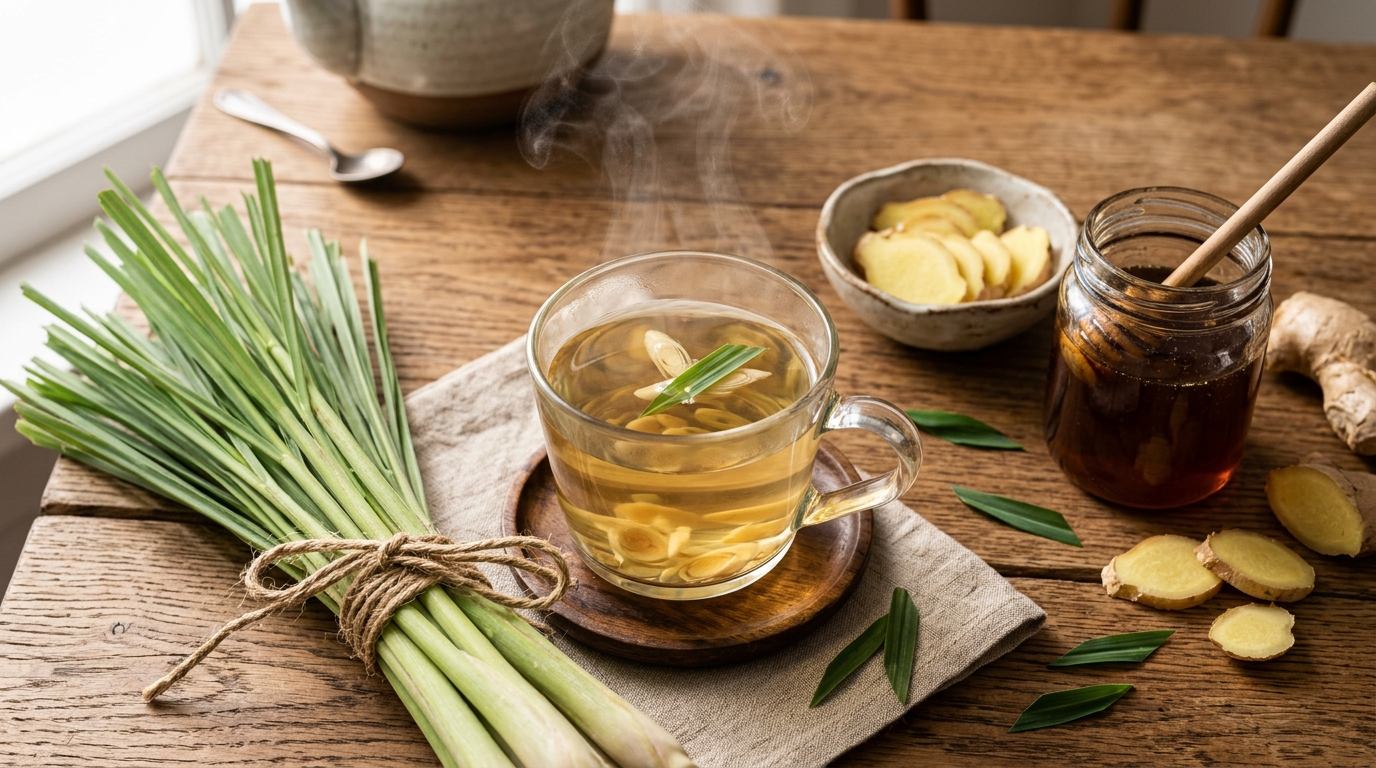
[!NOTE] Category: Herbal Wellness & Natural Teas
Target Audience: Health-conscious individuals, tea lovers, and people seeking natural digestive and blood pressure support.
Reading Time: ~5 minutes
Canonical Target: https://halalshopbd.xyz/lemon-grass-benefits-price-and-buying-guide-amanot-foods/
What is Lemon Grass?
Lemon Grass (Cymbopogon) is a tall, perennial aromatic grass native to South Asia and tropical regions worldwide. Known for its distinct citrus fragrance and crisp, refreshing herbal flavor, it has been used for centuries in traditional Ayurvedic and Asian culinary and wellness remedies.
Unlike citrus fruits, lemon grass delivers a zesty, lemony flavor without harsh acidity. Its signature aroma and therapeutic power stem from concentrated natural essential oils, primarily citral and geraniol.
2. The Science: Why Lemon Grass Works
Modern biochemical research confirms that lemon grass contains high concentrations of bioactive flavonoids, polyphenols, and phenolic acids.
Key active phytochemicals include:
- Citral (Neral & Geranial): Natural terpenes demonstrating antibacterial, antifungal, and cellular antioxidant capabilities.
- Chlorogenic Acid: Helps regulate glucose metabolism and protect vascular health.
- Isoorientin & Swertiajaponin: Potent free-radical scavengers that protect cell walls from oxidative degradation.
3. Varieties & Commercial Preparations
Lemon grass is cultivated in several commercial varieties and formats:
- West Indian Lemongrass (Cymbopogon citratus): The primary culinary and tea cultivar, prized for its gentle citrus taste and smooth palate.
- East Indian Lemongrass (Cymbopogon flexuosus): Contains a higher concentration of essential oils; widely utilized in therapeutic aromatherapy, herbal cosmetics, and extracts.
- Available Forms:
- Dried Cut Leaf (Tea Cut): Coarsely shredded, dried leaves used for direct herbal steeping.
- Fine Culinary Powder: Ground dried grass used in soups, spice blends, and curries.
- Cold-Distilled Essential Oil: Concentrated oil for diffusers and topical massage (when diluted in carrier oils).
4. 10 Clinically Observed Health Benefits
mindmap root((Lemon Grass Benefits)) Digestion Relieves Bloating Soothes Gut Cramps Cardiovascular Potassium & Fluid Balance Blood Pressure Support Immunity & Detox Antimicrobial Power Liver & Kidney Cleansing Nervous System Anxiety Relief Restful Sleep1. Enhances Digestion & Relieves Bloating
Lemon grass stimulates digestive enzymes and soothes smooth intestinal muscles. It helps relieve chronic gas, bloating, and functional stomach cramps after meals.
2. Helps Regulate Blood Pressure
Rich in natural potassium and mild diuretic compounds, lemon grass encourages the body to expel excess sodium and fluid through urine, easing arterial tension.
3. Provides High Cellular Antioxidants
The presence of chlorogenic acid and isoorientin helps neutralize free radicals caused by pollution and processed foods, preventing cellular damage.
4. Natural Detoxification Support
By functioning as a mild, safe diuretic, it aids kidney filtration and supports the body’s natural waste-elimination pathways.
5. Antimicrobial & Oral Health Shield
Citral compounds inhibit oral bacteria, including Streptococcus mutans, reducing plaque build-up and bad breath when used as a cooled mouth rinse.
6. Relieves Joint Discomfort & Inflammation
Natural anti-inflammatory compounds help down-regulate inflammatory cytokines, providing relief to tired muscles and stiff joints.
7. Supports Healthy Weight Management
Drinking lemon grass tea boosts basal metabolic rate and acts as an aromatic, zero-calorie replacement for sugary sodas and milky teas.
8. Calms the Nervous System & Aids Sleep
The scent and warm brew stimulate serotonin release, helping lower cortisol levels and easing mental fatigue before bedtime.
9. Eases Menstrual Cramps
Its natural antispasmodic qualities help soothe uterine muscle contractions, offering gentle relief during menstrual cycles.
10. Supports Healthy Red Blood Cells
Studies show regular consumption of lemongrass tea can contribute to improved erythropoiesis (red blood cell production) and overall vitality.
5. How to Brew the Perfect Cup of Lemon Grass Tea
[!TIP] Basic Brewing Recipe:
- Bring 250ml (1 cup) of fresh water to a rolling boil.
- Add 1 to 2 teaspoons of dried cut organic lemon grass.
- Turn off heat, cover the pot with a lid, and let it steep for 5 to 7 minutes.
- Strain into a cup. Add a teaspoon of Raw Black Seed Honey and a slice of fresh ginger for extra immunity.
6. Buying Guide & Storage Tips in Bangladesh
- Avoid Dusty Open Baskets: Raw lemon grass sold loose in open wet markets is frequently contaminated with traffic soot, dust, and fungal spores.
- Look for Hermetic Packaging: Always purchase cleanly dried, food-grade lemon grass sealed in airtight pouches or vacuum jars.
- Storage: Keep stored in a cool, dark glass jar away from direct sunlight. When kept dry, dried lemon grass preserves its volatile essential oils for up to 12 months.